
By: Ovation Obstetrics & Gynecology:
The conversation about uterine fibroids usually centers on the physical: the heavy periods, the pelvic pressure, the bloating, the pain. These are real and significant, and they absolutely deserve clinical attention.
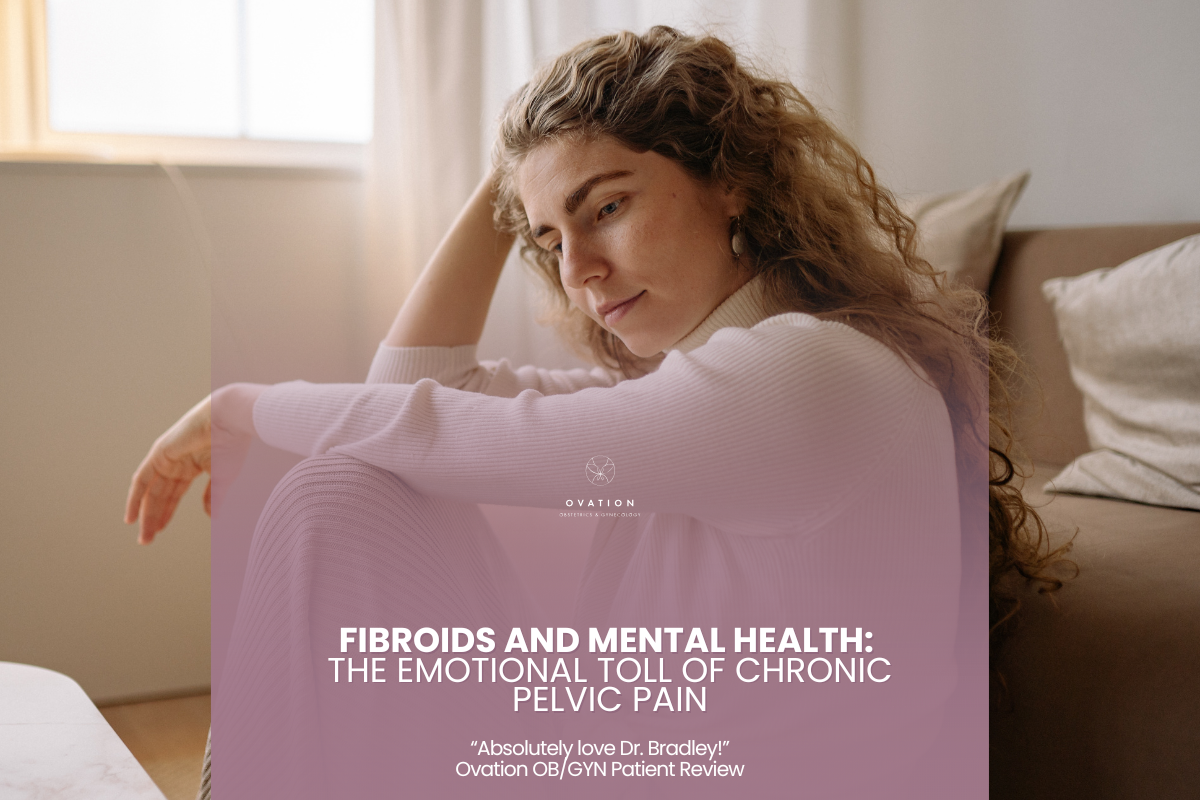
But there’s a dimension of fibroid disease that rarely makes it into patient brochures: the emotional and psychological weight of living with a chronic, often invisible condition. For the millions of women dealing with symptomatic fibroids, the mental health impact is as real as the physical one and far less often addressed.
Chronic Pain and the Mind: An Inseparable Connection
The relationship between chronic physical pain and mental health is well-established in the medical literature. Pain that persists, day after day, cycle after cycle, activates the body’s stress response systems in ways that have genuine neurological effects. Chronic pain alters brain chemistry, affects sleep architecture, and over time can meaningfully increase the risk of depression and anxiety.
Pelvic pain, in particular, carries an additional psychological burden because of where it lives. The pelvis is intimately connected to sexuality, fertility, identity, and womanhood for many women. Pain in this part of the body doesn’t stay contained to the physical: it seeps into relationships, self-image, and sense of self.
The Fibroid-Specific Mental Health Burden
Research on the psychological impact of symptomatic fibroids has grown significantly, and the findings are consistent: women with symptomatic fibroids report substantially higher rates of anxiety, depression, and reduced quality of life compared to women without the condition.
Some of the specific ways fibroids affect mental wellbeing:
Loss of control and unpredictability. Not knowing when your period will arrive, how heavy it will be, whether you’ll have an accident in public — the unpredictability of fibroid symptoms creates a kind of hypervigilance that is exhausting. Many women with fibroids plan their lives around their cycle in ways that significantly limit spontaneity and freedom.
Work and productivity impact. Heavy bleeding and severe cramping cause many women to miss work, decline social engagements, and limit travel. Over time, the cumulative professional and social losses compound. The shame around calling out sick for a period, again, is real.
Sexual pain and intimacy. Fibroids can make sex painful, and dyspareunia (painful intercourse) has well-documented effects on intimate relationships and self-esteem. Many women with fibroid-related sexual pain withdraw from physical intimacy, which can strain partnerships and contribute to feelings of isolation.
Fertility anxiety. For women who want to conceive, fibroids add a layer of fear and urgency to the fertility timeline. Even when fibroids aren’t definitively interfering with conception, the knowledge that they might and the treatment decisions they necessitate creates significant psychological stress.
Diagnostic invalidation. Many women with fibroids spend years being told their symptoms are normal, exaggerated, or stress-related before receiving a diagnosis. That experience of not being believed is its own trauma: one that can make women reluctant to trust medical providers or advocate for themselves even after diagnosis.
| “Absolutely love Dr. Bradley!”
Ovation OB/GYN Patient Testimonial |
The Bidirectional Loop: Stress and Fibroid Growth
The mental health impacts of fibroids don’t just run one direction. There is emerging evidence that chronic psychological stress may influence fibroid growth; likely through cortisol and other stress hormones that interact with the hormonal environment in which fibroids develop. This creates a difficult feedback loop: fibroids cause stress, stress may worsen fibroids, and the cycle continues.
This doesn’t mean that stress management will shrink fibroids: it won’t. But it does underscore that treating fibroids comprehensively means addressing the whole person, not just the uterus.
Treatment as Mental Health Intervention
One of the most consistent findings in fibroid research is that effective treatment of physical symptoms leads to significant improvement in mental health outcomes. Women who receive effective fibroid treatment: whether through hormonal management, minimally invasive procedures like NovaSure® endometrial ablation, or surgical options including myomectomy or hysterectomy report meaningful improvements in anxiety, depression, and overall quality of life.
This is important because it reframes the conversation. Treating your fibroids isn’t just about lighter periods or less pain. It may be one of the most impactful things you can do for your mental health.
What You Can Do
- Name it — recognize that what you’re experiencing emotionally in the context of fibroid disease is a legitimate medical concern, not weakness or overcomplaining
- Tell your provider — bring up the emotional impact when you discuss your symptoms; a good provider will take it seriously as part of your clinical picture
- Seek support — whether through therapy, a fibroid-focused patient community, or trusted relationships, isolation makes the burden heavier
- Explore treatment options — if you’ve been managing and pushing through, there may be options you haven’t explored. A conversation with your OB/GYN is the starting point
| “Very short wait time. Dr. Vu is so sweet it’s like going to see a friend.”
Ovation OB/GYN Patient Testimonial |
We See the Whole Picture
At Ovation OB/GYN, we take fibroid disease seriously: including the parts that don’t show up on an ultrasound. Our board-certified physicians offer a full range of fibroid evaluation and treatment options, and we approach care with the understanding that what’s happening in your body is affecting your whole life.
If you’ve been living with fibroid symptoms or the emotional weight that comes with them: we’d like to help. Request an appointment at our Frisco office. You deserve to feel better, in every sense.