
By: Ovation Obstetrics & Gynecology:
Hearing that you need a colposcopy can feel overwhelming, especially if you are unfamiliar with the procedure. Many patients worry that a colposcopy means something serious is wrong. In reality, a colposcopy is a common diagnostic tool that allows your OB/GYN to take a closer look at the cervix and identify changes early—often before they become a more significant concern.
At Ovation OB/GYN, we believe that understanding your care helps reduce anxiety. Knowing why a colposcopy is recommended and what to expect can help you feel more confident and prepared.
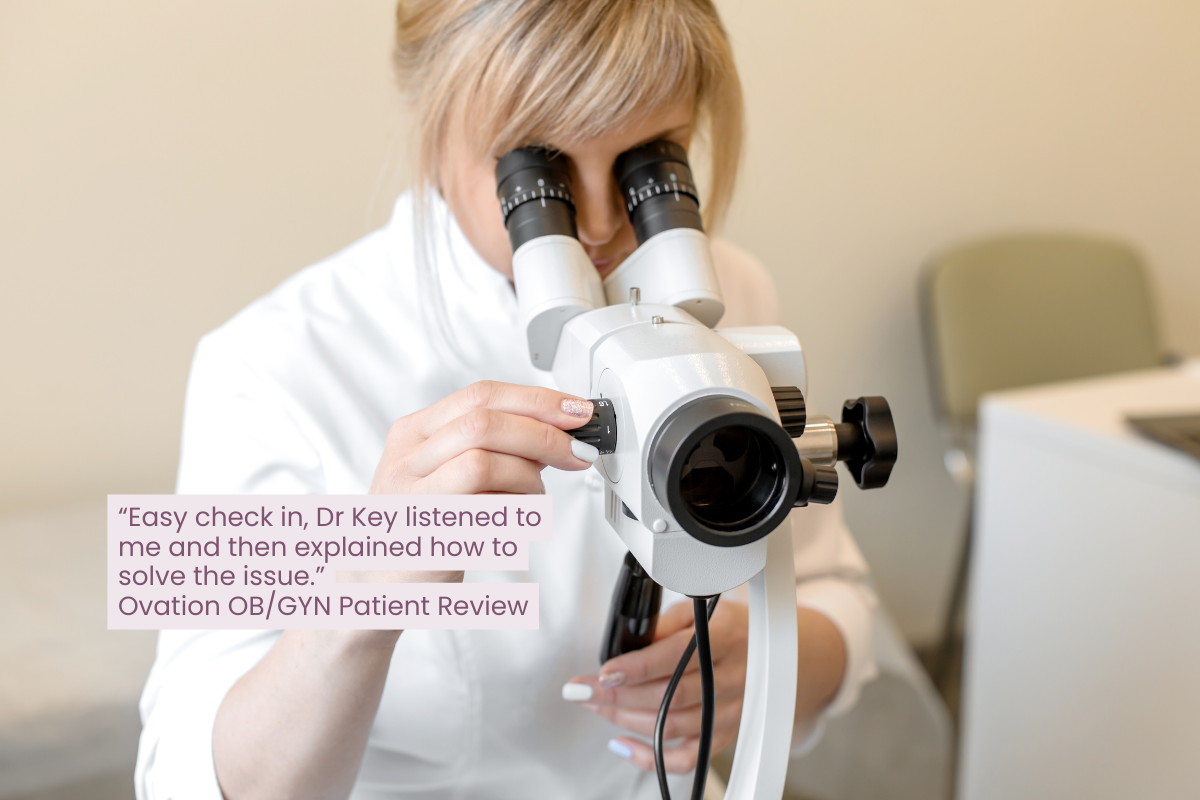
“Easy check in, Dr Key listened to me and then explained how to solve the issue.”
Ovation OB/GYN Patient Review
What Is a Colposcopy?
A colposcopy is an in-office procedure that allows your OB/GYN to closely examine the cervix, vagina, and sometimes the vulva using a specialized magnifying instrument called a colposcope. The colposcope stays outside the body and provides an illuminated, enlarged view of cervical tissue.
This procedure is most often recommended after an abnormal Pap test or a positive HPV test, allowing your provider to determine whether further evaluation is needed.
Why Is a Colposcopy Recommended?
Colposcopy is not a treatment—it is a diagnostic tool. It helps your provider better understand cervical cell changes that may have been identified during routine screening.
Common reasons for a colposcopy include:
- Abnormal Pap smear results
- Positive high-risk HPV test
- Unexplained cervical or vaginal changes
- Follow-up after previous cervical treatment
In many cases, colposcopy confirms that changes are mild and can be monitored over time.
Does an Abnormal Pap Mean Cancer?
One of the most common fears surrounding colposcopy is the concern about cancer. It is important to know that most abnormal Pap results do not mean cancer.
Cervical cancer typically develops slowly over many years. Colposcopy allows providers to detect precancerous changes early, when monitoring or treatment is highly effective.
What Happens During a Colposcopy?
A colposcopy is similar to a pelvic exam and usually takes about 10 to 20 minutes.
During the procedure:
- You will lie on an exam table with your feet supported
- A speculum is gently inserted to visualize the cervix
- The colposcope is positioned outside the vagina
- A mild solution is applied to highlight abnormal cells
- The provider examines the cervix under magnification
If an area looks abnormal, a small biopsy may be taken for further testing.
Is a Biopsy Always Required?
Not all colposcopies require a biopsy. If the cervix appears healthy or shows only minor changes, your provider may recommend monitoring rather than sampling tissue.
If a biopsy is taken, it involves removing a very small piece of tissue. Some patients experience brief cramping or pressure, but the discomfort is typically short-lived.
What Does a Colposcopy Feel Like?
Most patients describe colposcopy as similar to a Pap test, with some added pressure. The application of the solution may cause mild stinging or tingling.
If a biopsy is performed, you may feel:
- A quick pinch or cramp
- Mild discomfort lasting a few seconds
Your provider will guide you through each step and help ensure your comfort throughout the procedure.
How to Prepare for a Colposcopy
Preparation is simple and helps ensure the most accurate results.
Before your appointment:
- Avoid vaginal intercourse for 24–48 hours
- Do not use tampons, douches, or vaginal medications
- Schedule the procedure when you are not on your period, if possible
You may also want to take an over-the-counter pain reliever beforehand, if recommended by your provider.
What Happens After the Procedure?
If no biopsy is taken, you can typically resume normal activities right away. If a biopsy is performed, you may experience:
- Light spotting or discharge
- Mild cramping
- Temporary activity restrictions
Your provider will give you specific aftercare instructions, including when to avoid intercourse or tampon use.
Understanding Colposcopy Results
Biopsy results usually return within one to two weeks. Results may show:
- Normal tissue
- Mild changes that require monitoring
- Precancerous changes that may need treatment
Your OB/GYN will explain the findings clearly and discuss next steps, if any are needed.
Follow-Up and Next Steps
Depending on the results, follow-up care may include:
- Repeat Pap or HPV testing
- Additional monitoring
- Treatment to remove abnormal cells
Early detection through colposcopy allows providers to intervene before serious complications develop.
Emotional Support and Reassurance
It is normal to feel anxious before or after a colposcopy. Remember that this procedure is a proactive step toward protecting your health. Many patients who undergo colposcopy never require further treatment.
Open communication with your OB/GYN can help ease concerns and ensure you feel supported throughout the process.
Compassionate Care at Ovation OB/GYN
At Ovation OB/GYN, we are committed to providing patient-centered care that prioritizes comfort, clarity, and respect. If a colposcopy is recommended, our team will walk you through every step and answer your questions along the way.
“Dr Bradley’s caring attitude and straight forward approach is what keeps me going back each year.”
Ovation OB/GYN Patient Review
Schedule an Appointment or Learn More
If you have received abnormal screening results or have questions about colposcopy, we encourage you to reach out. Early evaluation is an important part of preventive women’s healthcare.
To learn more or schedule an appointment, visit https://www.ovationobgyn.com or contact Ovation OB/GYN today.